
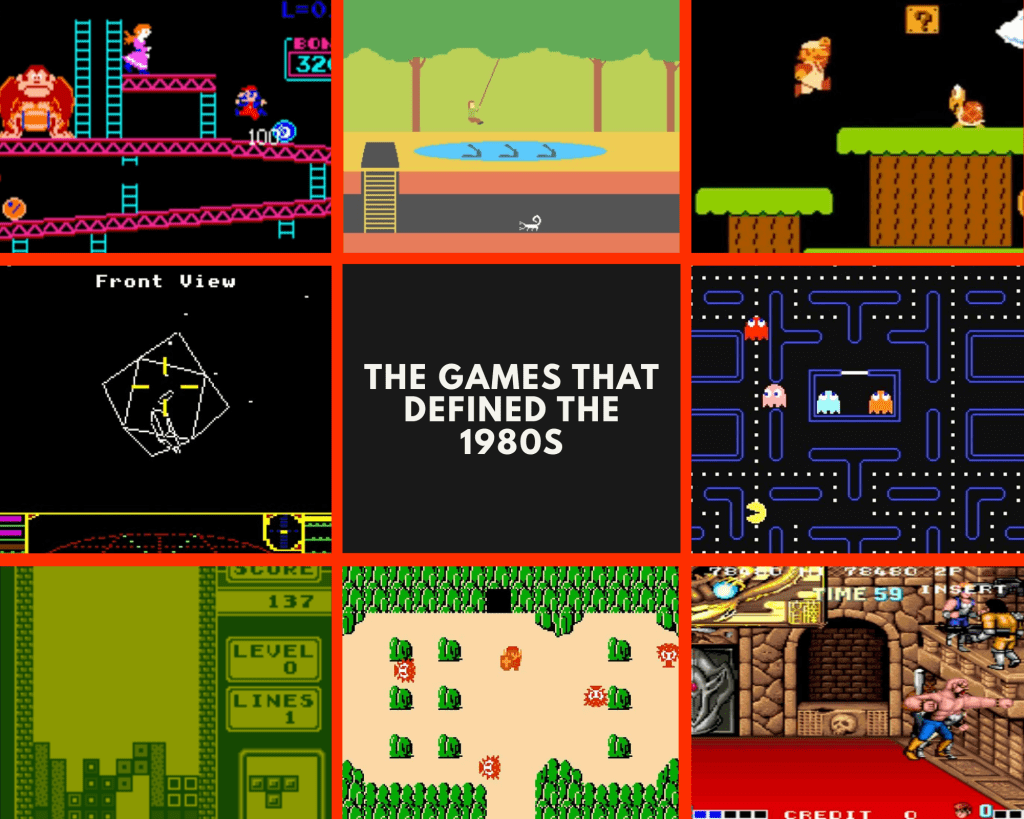
The 1980s weren’t just the dawn of modern gaming—they were the wild, exciting, button-bashing birth of an industry that would grow into a global cultural force. From smoke-filled arcades to chunky home computers and primitive consoles, these games became more than entertainment: they were landmarks in our youth.
Here are ten games that not only defined the decade but helped define us.
1. Space Invaders (1978 Arcade, rose to prominence in early ’80s)
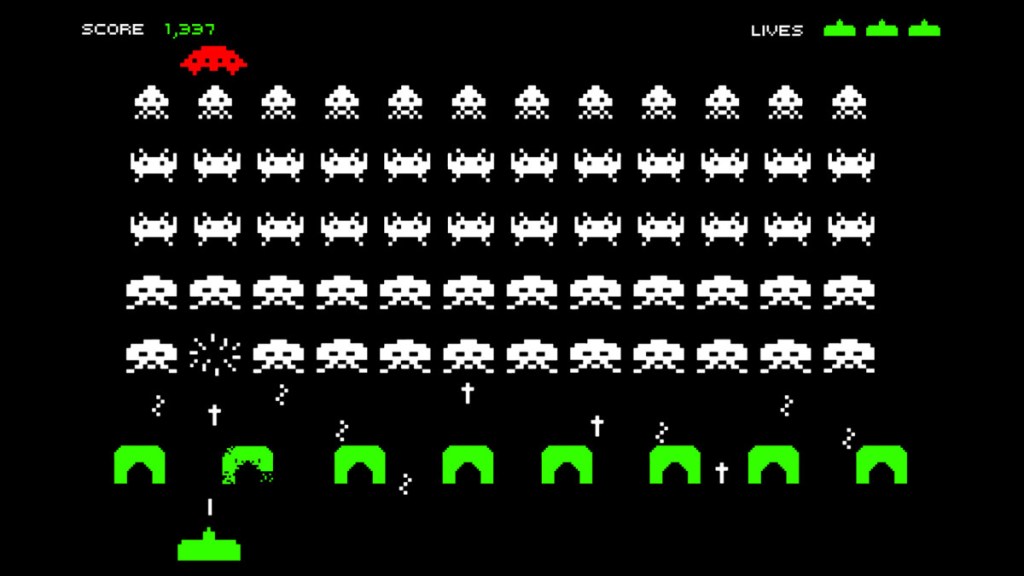
When Space Invaders hit arcades, everything changed. Suddenly, video games weren’t just novelties—they were obsessions. The premise was simple: defend Earth from descending waves of alien ships. But the design was genius. As you eliminated enemies, the remaining invaders sped up, creating a natural difficulty curve that still feels elegant today.
By 1980, the game was a pop culture phenomenon in Japan and around the world, even causing a coin shortage. Clones appeared everywhere, and so did imitators. But none matched the atmosphere of the original—the mounting tension, the iconic sound effects, and the sense of impending doom as the aliens crept ever closer.
Why it mattered: Space Invaders established video games as a mass-market entertainment medium. It turned arcades into social battlegrounds and defined the shoot-‘em-up genre.
2. Pac-Man (1980 Arcade)
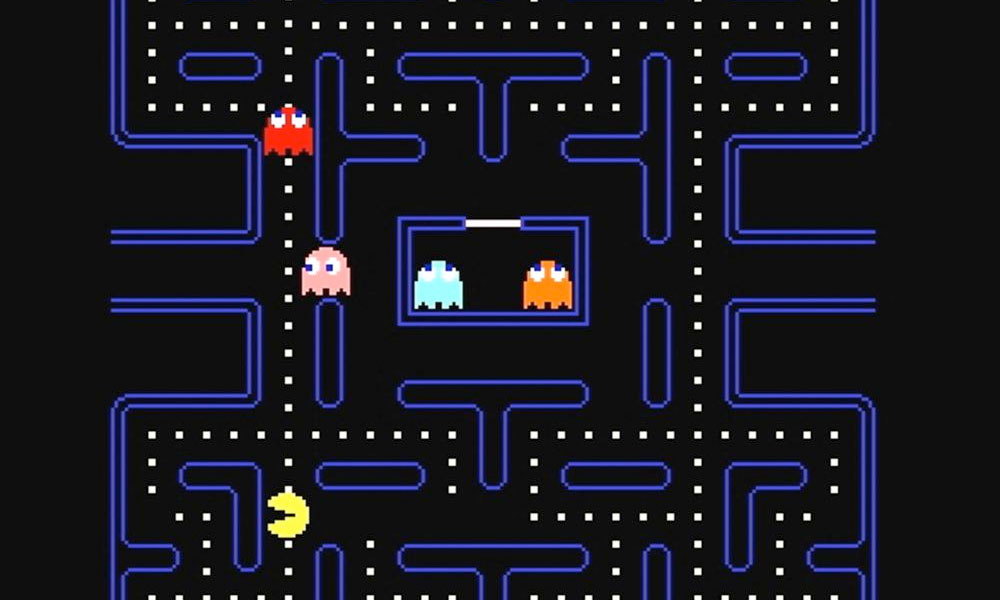
Pac-Man didn’t just break records—it broke moulds. At a time when most games were about shooting or sports, Pac-Man introduced a vibrant world, a memorable character, and a unique gameplay loop. Its non-violent design and charming visuals drew in a new audience—especially women—helping diversify the player base.
There was strategy in those mazes. Memorizing ghost behavior, timing power pellets, and clearing levels became an art form. And let’s not forget the cultural explosion: merchandise, cartoons, a #1 pop song, and Halloween costumes. Pac-Man was the first gaming celebrity.
Why it mattered: It showed that games could be character-driven, non-violent, and universally appealing. It also helped gaming go mainstream in the early ’80s.
3. Donkey Kong (1981 Arcade)
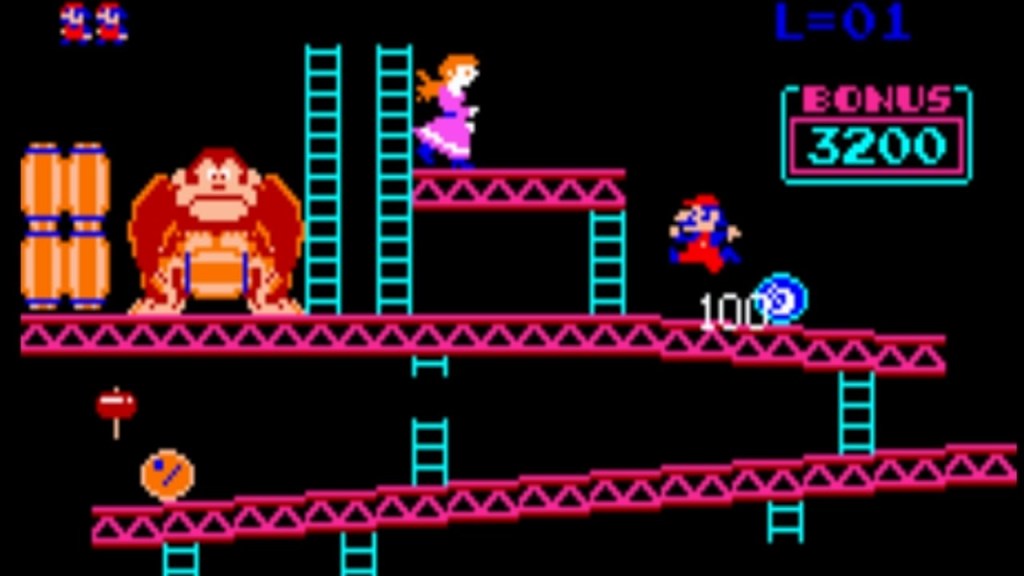
The origin story of the most famous plumber in gaming. Donkey Kong introduced players to Jumpman (later renamed Mario), a mustachioed everyman who scaled construction sites to rescue Pauline from a barrel-hurling gorilla. The premise was simple but the execution was revolutionary—each level introduced new hazards, making progression feel like a journey.
It was one of the first games with a narrative structure—however basic—and personality. Donkey Kong had expressions; Jumpman had motivations. This was storytelling in a time of score-chasing and static screens.
Why it mattered: It launched the careers of both Mario and Nintendo, pioneered platforming mechanics, and added heart to arcade gaming.
4. Frogger (1981 Arcade & Home Ports)
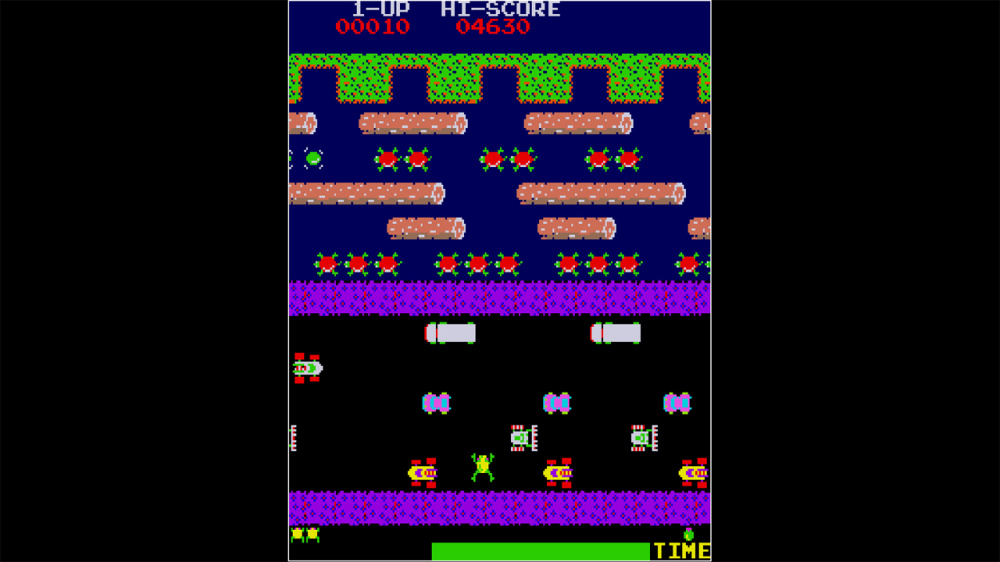
Frogger was pure anxiety wrapped in charming pixel art. You guided a frog across a busy road and treacherous river, dodging cars, leaping on logs, and avoiding crocodiles. Sounds simple—until you realised everything moved at different speeds, and your timing had to be perfect.
It became a beloved home port on the Atari 2600 and was one of the first examples of a game that was both kid-friendly and fiendishly difficult. The soundtrack was cheerful, the concept was accessible, and the tension was real.
Why it mattered: It proved that brilliant game design didn’t need weapons, lives, or complicated mechanics—just a clear goal and clever challenge.
5. Pitfall! (1982 Atari 2600)

Pitfall Harry was the original adventurer. Swinging on vines, jumping over crocodiles, and collecting treasure—Pitfall! felt like Indiana Jones shrunk down to a few dozen pixels. At a time when home console games were still mostly about scores, Pitfall! felt like a journey.
It was also technologically ambitious. Using clever programming tricks, David Crane created 255 screens of jungle to explore—no loading, just smooth transitions. It was one of the first games to feel like a true platforming adventure at home.
Why it mattered: It set the standard for action games on consoles and proved the Atari 2600 could deliver cinematic experiences.
6. Elite (1984 BBC Micro, later ports)
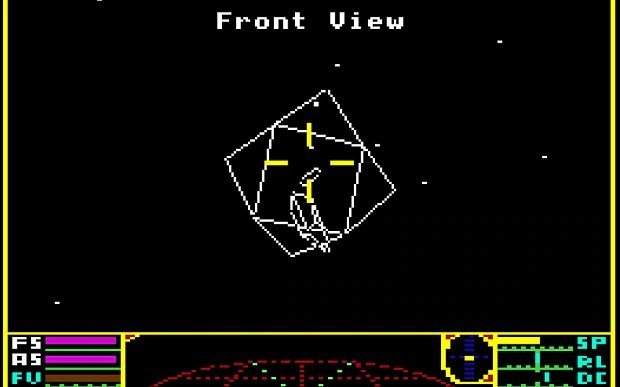
A true oddity for its time—and a marvel of ambition. In Elite, you weren’t trying to beat a level. You were living in a universe. Trade between planets. Fight pirates. Upgrade your ship. It was the granddaddy of the open-world genre, and it all fit on a cassette tape.
The wireframe graphics may look primitive now, but in the mid-80s, they felt like the future. It gave players total freedom, and every playthrough was unique. There were no missions—only choices.
Why it mattered: It pioneered open-world sandbox gameplay and inspired decades of future space sims and procedurally generated worlds.
7. Tetris (1984 USSR, popularised globally in 1989 on Game Boy)
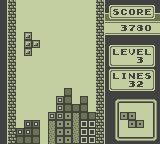
Created by Russian computer scientist Alexey Pajitnov, Tetris took over the world slowly… and then all at once. By the time it was bundled with the Game Boy in 1989, it was unstoppable. The falling blocks, the disappearing lines, the increasing speed—it was addictive perfection.
“Just one more go” became a mantra. Tetris wasn’t just a game—it was a brain state. You started seeing tetrominoes in your dreams. The so-called “Tetris Effect” was real.
Why it mattered: It defined the puzzle genre, transcended language and age, and helped make handheld gaming mainstream.
8. Super Mario Bros. (1985 NES)
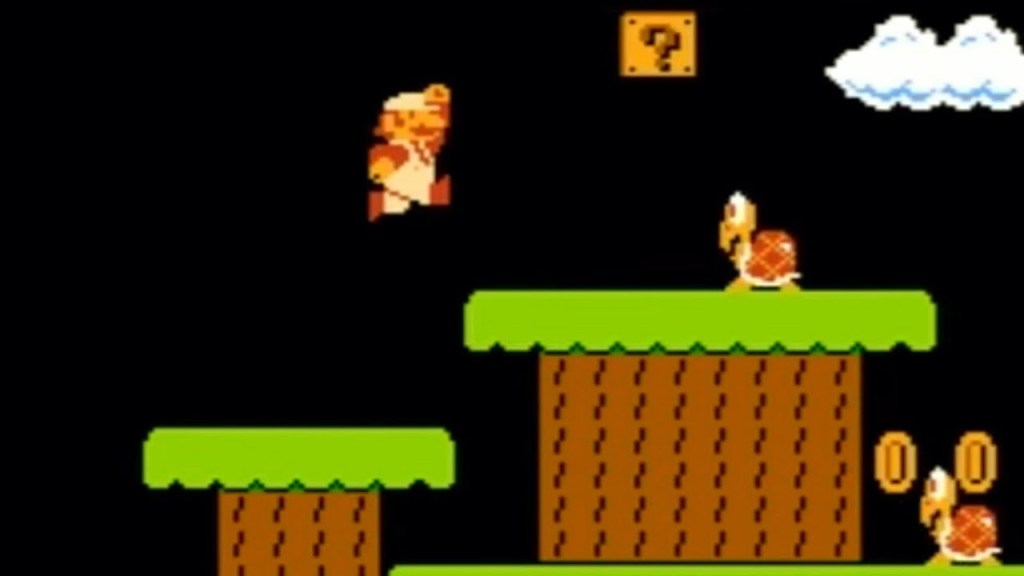
A game so iconic it’s hard to imagine a world without it. Super Mario Bros. wasn’t just a great game—it was the game. It saved the North American home console industry after the crash of 1983. With fluid controls, secret pipes, imaginative worlds, and that unmistakable soundtrack, it was a revelation.
Unlike earlier platformers, this one felt alive. The screen scrolled. The environments changed. There was a sense of scale, discovery, and playfulness that few had seen before. This was entertainment, not just challenge.
Why it mattered: It legitimized the NES, redefined home gaming, and laid the foundation for modern level design and platforming mechanics.
9. The Legend of Zelda (1986 NES)
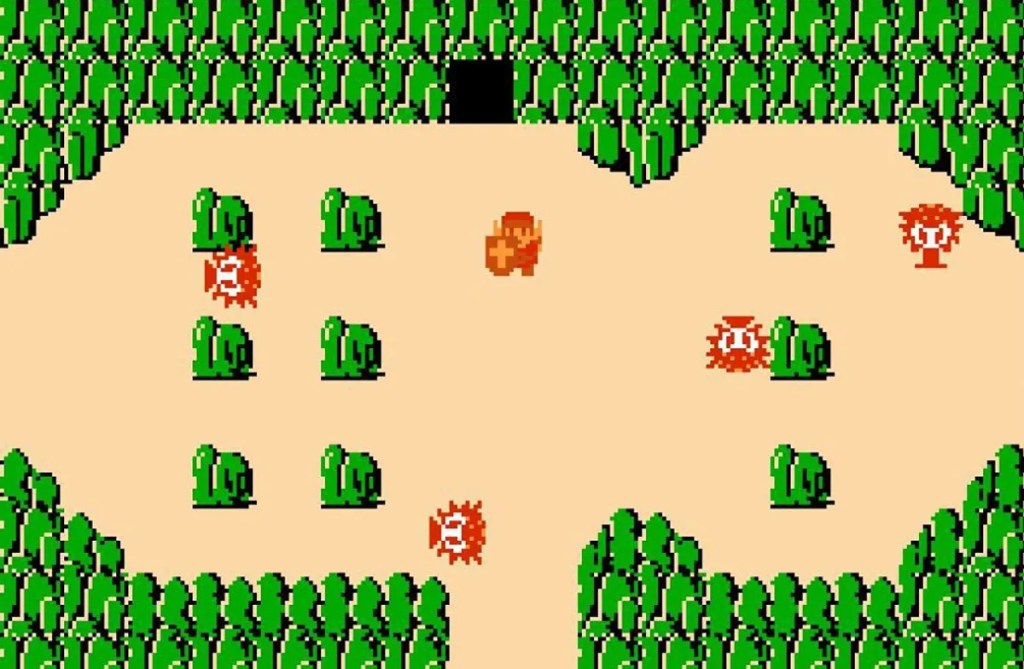
Where Mario gave us linear fun, Zelda gave us freedom. Suddenly, players could go anywhere, do anything (or at least feel like it). The top-down perspective, inventory system, and nonlinear world made exploration thrilling.
Armed with only a wooden sword and a cryptic map, you wandered forests, braved dungeons, and discovered secrets hidden behind every bush and rock. It also introduced battery-powered save files—an innovation that changed the genre.
Why it mattered: It gave players control over their journey and laid the groundwork for all action-RPGs and adventure games to follow.
10. Double Dragon (1987 Arcade, later NES & other ports)
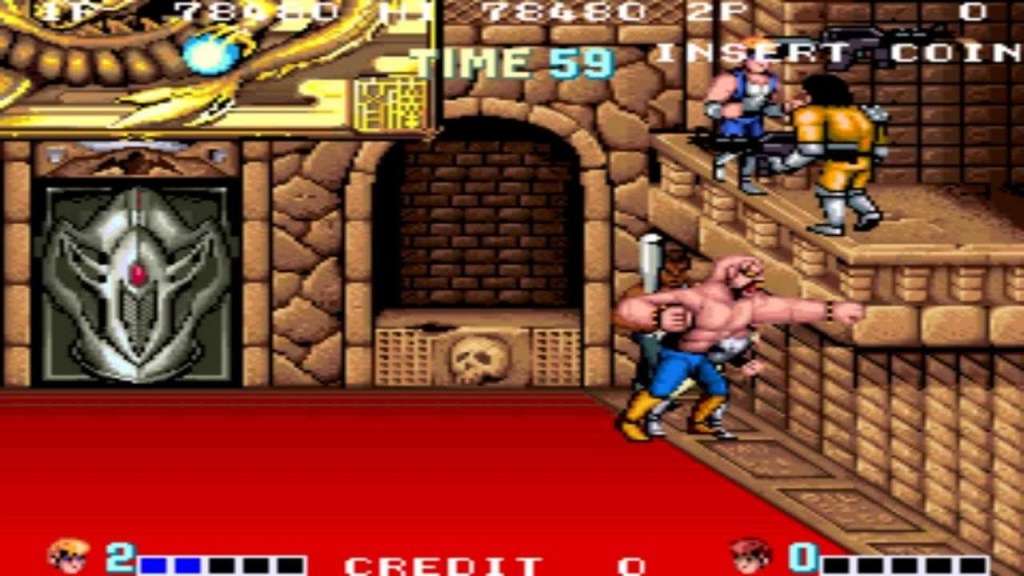
Before Double Dragon, beat-‘em-ups were solo affairs. This game changed that. Two players, two brothers, and a whole city of punks to punch. It felt like an action movie you could play, complete with co-op gameplay and weapons you could rip from enemies.
From the gritty urban settings to the satisfying thuds of fists and chains, Double Dragon was visceral and addictive. It was also one of the first to bring a proper narrative to brawler games—complete with a shocking betrayal at the end.
Why it mattered: It brought cooperative gameplay to the forefront and defined the brawler genre for years.
Honourable Mentions
- Manic Miner (1983) – A UK Spectrum classic with quirky humour and brutally precise platforming.
- Gauntlet (1985) – A four-player dungeon crawler with strategy, chaos, and “Wizard needs food… badly.”
- Metroid (1986) – Gave us atmosphere, backtracking, and one of the first female protagonists in gaming.
- Out Run (1986) – Speed, synths, and style. You didn’t just race—you cruised.
- R-Type (1987) – Punishing but gorgeous, it defined the horizontal shmup genre.
 stillgotgame.org
Leave a comment