
“A haunting Southern tale with unforgettable style and folklore flair—held back by clunky combat and uneven pacing.”
outh of Midnight is one of those rare games that feels like it’s whispering an old story straight into your ear. Set in the heart of the American South and drenched in folklore, it’s an atmospheric, myth-laden adventure that dares to be visually and narratively different. Compulsion Games brings its signature artistic flair to this third-person action game, and while the execution sometimes falters, the ambition behind it is undeniable.
You step into the boots of Hazel, a young woman who returns to her hometown after a mysterious catastrophe that tears the veil between the living and the dead. Her mother, a powerful “Weaver” who once maintained the balance between these worlds, is gone—leaving Hazel to unravel the threads of family secrets, grief, and myth. The narrative is deeply personal but also steeped in cultural texture, pulling legends from Southern Black folklore and giving them fresh, sometimes terrifying life.
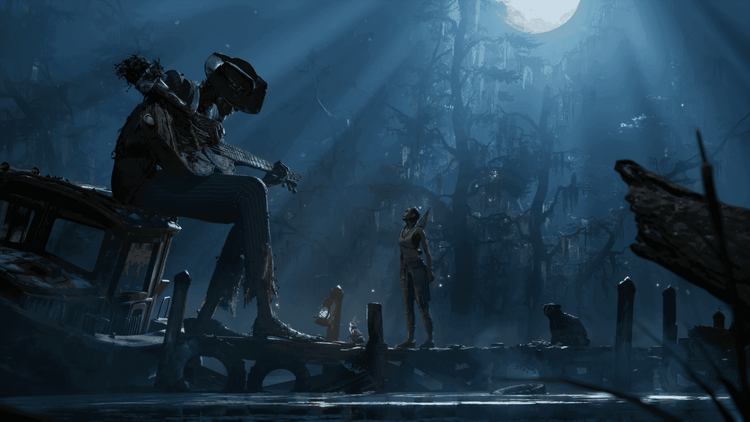
The game’s setting is its greatest triumph. Every creaking bayou bridge, sun-drenched cotton field, and decaying shack feels authentic and alive, not just in the physical sense, but spiritually. The world feels haunted, in the best possible way. Ghost stories, folklore creatures, and ancestral spirits aren’t just background flavor—they’re woven directly into the plot and gameplay. You’ll encounter figures inspired by real Southern legends: root-working spirits, trickster entities, and deeply symbolic monsters born from generational trauma and history.
This storytelling approach sets South of Midnight apart. It doesn’t just reference folklore—it lives in it. Hazel’s powers, enemies, and even puzzle elements are tied to this mythos. The result is a narrative experience that feels layered, rooted, and culturally rich. You’re not just fighting ghosts—you’re confronting the stories your family never told you.
Visually, the game makes a bold statement. Its stop-motion-inspired animation style gives it an immediately recognizable look. Characters move with a stylized choppiness, almost like they’ve been pulled from an animated folk tale. This aesthetic won’t be for everyone, but it works beautifully with the tone of the game, adding to its uncanny, otherworldly mood. Hazel’s movements carry real weight—you feel every stride, every roll, every thread-spun attack. This grounded physicality helps sell her emotional journey and makes her feel like a person, not a placeholder.
Combat is imaginative but undercooked. Hazel uses thread-based magic to bind, whip, and manipulate enemies, and while the visuals are strong, the system lacks variety. Targeting can be unreliable, and fights sometimes drag due to repetitive enemy types. The weighty animation, while stylistically meaningful, can also make movement feel sluggish during fast-paced encounters. It’s a system that shows potential but could have used more polish.
Exploration fares better. The world is filled with fragments of lore—journal entries, oral histories, murals, and ghostly echoes that reward careful observation. The side content often feels meaningful, not just filler, and helps deepen the themes of inheritance, identity, and unresolved trauma.
That said, the pacing sags in the middle. The opening hours are strong, and the final act sticks the landing, but there’s a stretch in the second half that leans too heavily on fetch quests and backtracking. It doesn’t kill the momentum, but it does dampen the tension.
Technically, the game is stable, running well on current-gen systems with only minor hiccups like camera issues and clipping. The stylized visuals do a lot of heavy lifting to maintain immersion even when the budget shows through in smaller moments.
Verdict:
South of Midnight is a haunting, heartfelt journey through a world where myth and memory collide. Its bold art direction, cultural depth, and use of Southern folklore create an experience that feels unlike anything else on the market. Despite clunky combat and uneven pacing, it’s a story worth hearing—and a world worth getting lost in.
Score: 78%
 stillgotgame.org
Leave a comment