
A creative twist on Zelda’s formula that sparks imagination—but stumbles under its own weight.
When The Legend of Zelda: Echoes of Wisdom was first announced, it immediately stood out as a bold departure from the usual formula. With Zelda herself stepping into the spotlight as the protagonist and a core gameplay mechanic centered around creating and deploying items to solve puzzles, it’s clear that Nintendo was eager to shake things up. The result is a game that’s inventive, sometimes charming, and occasionally frustrating—an experimental take that doesn’t always hit the mark but offers enough to warrant a look, especially for families looking to play together.
At its heart, Echoes of Wisdom is built around the concept of “Echoes”—a magical ability that allows Zelda to recreate objects she’s encountered. Rather than using traditional tools like the boomerang or hookshot, you’ll be summoning tables, rocks, beds, and even enemies to help you navigate dungeons and solve environmental puzzles. This sandbox-style approach invites creativity and allows for a wide variety of solutions to any given problem. It’s a mechanic that rewards curiosity and lateral thinking, and it gave me some genuinely fun moments playing alongside my seven-year-old daughter, who came up with delightfully bizarre solutions that often worked better than mine. “What if we just stack chairs to get over it?” she’d ask—and more often than not, she was right.
This family-friendly inventiveness is Echoes of Wisdom at its best. It invites shared play, experimentation, and even some lighthearted chaos, especially when younger players are at the controls. The game encourages thinking outside the box, and it’s refreshing to see Nintendo continue to explore new ways to engage players of all ages.
Unfortunately, the innovative mechanics come with some growing pains. Chief among them is inventory management, which becomes increasingly tedious the more Echoes you collect. Initially, having a handful of items to cycle through is fine, but as the roster expands, the interface begins to groan under its own weight. Finding the item you want in the heat of a moment, or even in the midst of solving a puzzle, becomes a cumbersome process. The lack of proper organization or filtering options is baffling for a company known for polish. It slows down the momentum and breaks the immersive flow of gameplay far too often.
Combat, too, feels like it was an afterthought. While it’s possible to summon echoes of enemies to fight for you or drop objects to block attacks, the controls lack the responsiveness and precision fans have come to expect from the series. There’s a clunky, slightly floaty feel to encounters that can be off-putting, especially when things get hectic.
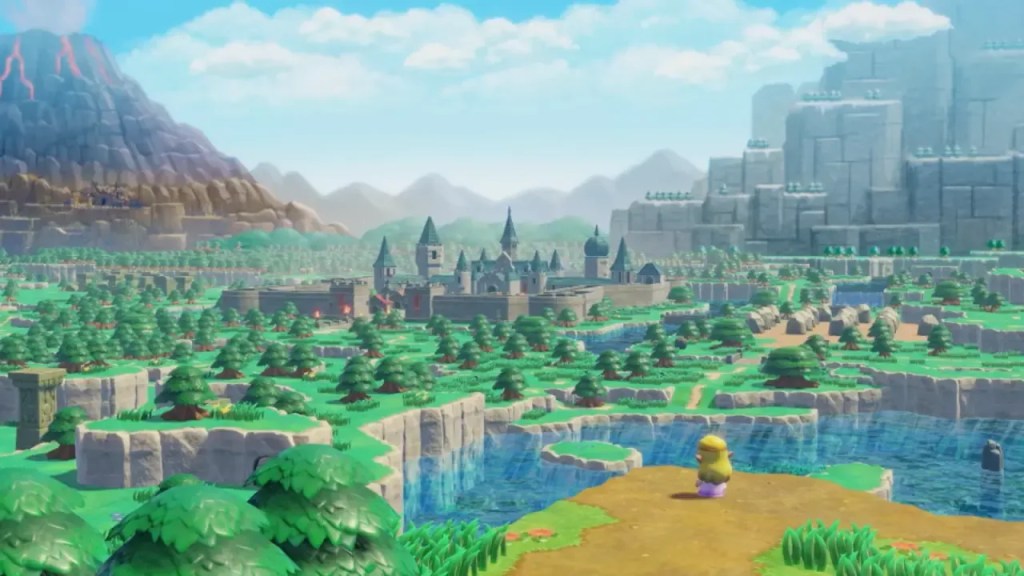
Visually, the game continues the charming diorama style seen in the Link’s Awakening remake. It’s colorful, bright, and inviting—ideal for younger players and full of personality. The soundtrack, while serviceable, doesn’t quite reach the heights of other Zelda entries but provides a pleasant enough backdrop.
To Nintendo’s credit, Echoes of Wisdom does feel like a solid proof of concept. It’s not just a gimmick—the core ideas here have genuine potential. With refinement, especially in terms of user interface and combat mechanics, this could be the foundation for a fantastic sub-series or even a new direction for future Zelda games. As it stands, it’s a fascinating experiment that stumbles more than it soars, but still manages to offer enough enjoyment—especially when shared with younger players who can bring fresh perspectives to its open-ended puzzles.
Echoes of Wisdom may not be the next great Zelda adventure, but it is an interesting one—and sometimes, that’s enough to justify the journey.
SCORE: 72%
 stillgotgame.org
Leave a comment